
Tin tức
One Meal, Many Vietnamese Specialties: A Culinary Journey Through Vietnam in Ho Chi Minh City
Th9
Not every journey begins with packing a suitcase or traveling hundreds of kilometers. Sometimes, a table filled with dishes from different regions is enough to begin a memorable culinary journey through Vietnam.
From the coastal flavors of Hai Phong and Ha Long Bay to the familiar tastes of Hanoi and the specialties of Central Vietnam, one meal can reveal just how diverse and refined Vietnamese cuisine can be — right in the heart of Ho Chi Minh City.
Hai Phong Square Crab Spring Rolls – A Curious Beginning to a Vietnamese Feast
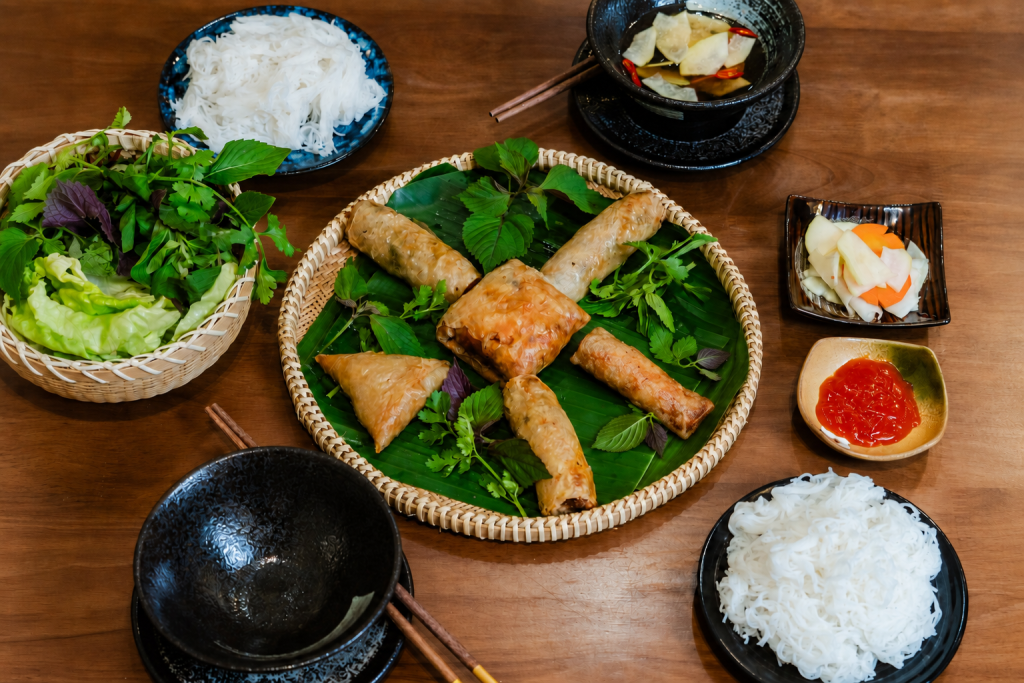
Traditional Vietnamese spring rolls are usually long and slender. That is why Hai Phong square crab spring rolls (Nem Vuông Cua Bể) immediately catch the eye.
Wrapped into a distinctive, generous square, the spring roll naturally raises a question: what is hidden beneath that delicate, crispy wrapper?
Cut open while still hot, the golden crust breaks with a satisfying crunch to reveal a generous filling of fresh crab meat combined with shrimp, pork, wood ear mushrooms and bean sprouts.
Dipped into warm Vietnamese fish sauce with a balance of sweet, sour and savory notes, every bite offers a combination of crispness, richness and the natural sweetness of seafood.
The international television network CNN has also featured crab spring rolls while introducing Vietnamese cuisine, highlighting the appeal of this distinctive dish to international diners.

Different Spring Rolls, Different Ingredients and Flavors
From the striking square crab spring roll, diners can begin to discover just how diverse Vietnam’s world of rolls and fried specialties really is.
There is no single formula. Each region has developed its own way of transforming local ingredients into something distinctive.
If Hai Phong square crab spring rolls carry the rich flavors of the sea, Tu Ky ragworm rolls (Nem Rươi Tứ Kỳ) introduce a more unusual and nuanced character.
Ragworms are traditionally combined with finely chopped tangerine peel, pork and eggs. When cooked, the ingredients develop a distinctive aroma and flavor associated with this seasonal delicacy of northern Vietnam.
Other variations, including squid rolls, snail rolls and featherback fish rolls, create their own combinations of springy, crunchy and naturally sweet textures — demonstrating the remarkable versatility of Vietnamese ingredients and cooking techniques.
The journey continues with Binh Dinh shrimp spring rolls (Chả Ram Tôm Đất).
While the square crab spring roll impresses with its substantial shape and generous filling, these shrimp rolls are smaller and more delicate. A thin, crisp rice-paper wrapper surrounds a whole sweet shrimp, creating a completely different experience.
Even within the world of Vietnamese rolls, there is an extraordinary variety of textures, ingredients and regional identities to discover.

Phở Cuốn – A Gentle Pause Before Hanoi Bún Chả
After the crisp textures of fried specialties, phở cuốn provides a refreshing change of pace.
Soft, smooth sheets of rice noodle are carefully wrapped around tender stir-fried beef, lettuce and fresh Vietnamese herbs.
It is a simple demonstration of how one of Vietnam’s most familiar ingredients — phở noodles — can be transformed into something light, fresh and elegant.
This gentle transition leads naturally to another Hanoi classic: Bún Chả Hà Nội.
Warm dipping sauce is served with charcoal-grilled slices of pork and fragrant grilled pork patties, accompanied by pickled green papaya, carrots, fresh herbs and rice vermicelli.
The dish received worldwide attention when former U.S. President Barack Obama ate bún chả during his visit to Vietnam in 2016.
Yet the enduring appeal of bún chả goes far beyond that internationally known moment. At heart, it remains a humble, satisfying Vietnamese meal designed to be enjoyed and shared around the table.
Ha Long Squid Cakes – Discovering the Depth of Vietnamese Chả
If bún chả brings a sense of warmth and familiarity, Ha Long Squid Cakes (Chả Mực Hạ Long) showcase another side of Vietnamese culinary craftsmanship.
Recognized among notable Vietnamese specialties in an Asian culinary record in 2013, Ha Long squid cakes are distinguished by their characteristic texture and the traditional techniques used in their preparation.
Freshly fried squid cakes are beautifully golden on the outside, while inside, generous pieces of squid provide a naturally springy, pleasantly chewy and crisp texture.
The natural sweetness and texture of the squid remain central to the experience.
And Ha Long squid cakes are only one part of Vietnam’s diverse tradition of chả.
From seafood cakes and fragrant young-green-rice cakes to Chả Chìa Hạ Lũng, with its distinctive preparation around sugarcane, each specialty presents its own combination of ingredients, texture and regional character.
For diners, this variety provides an opportunity not only to rediscover familiar Vietnamese favorites, but also to explore regional specialties they may never have tasted before.
An Indochine-Inspired Dining Space in the Heart of District 1
Food tells only part of the story. The setting in which it is enjoyed can quietly shape the entire experience.
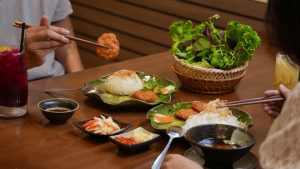
Located at 76 Nguyen Huu Cau Street, Tan Dinh Ward, Ho Chi Minh City, Gia Phuc Quan – Vietnamese Specialties features an elegant contemporary Indochine-inspired interior.
Classic influences blend with modern comfort to create a warm and welcoming atmosphere.
It is a place where different generations can enjoy a meal together: older family members may rediscover familiar regional flavors, younger diners can explore crispy rolls and new textures, while busy guests can simply enjoy a comfortable break from the pace of the city.
The setting also makes Gia Phuc Quan a welcoming place to introduce Vietnamese food and culinary culture to international friends, visitors and business partners.

Gia Phuc Foods – Bringing Vietnamese Specialties Home
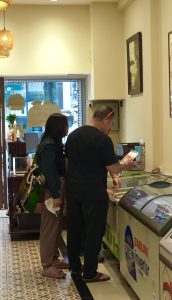
For guests who would like to recreate these flavors at home, Gia Phuc Foods – Vietnamese Specialties Store offers a selection of regional specialties prepared and conveniently packaged for takeaway.
These products make it easier to prepare a family meal even on busy days.
Depending on the product, diners can fry, air-fry or incorporate the specialties into their own meals, allowing traditional flavors to fit naturally into contemporary home cooking.
This convenience reflects the philosophy that Gia Phuc has pursued through its message:
“Delicious food creates family happiness.”
From Production to the Dining Table
Since 2012, Gia Phuc has developed its business around careful attention to food production and product quality.
Beginning with food production facilities supplying restaurants, supermarkets and distributors, Gia Phuc later expanded its model to bring regional Vietnamese specialties directly to diners through its restaurant and specialty food store.
Ingredients and seafood are carefully selected, while production and preparation processes are managed with an emphasis on food safety, consistency and product quality.
This integrated approach — from production to the dining table — allows Gia Phuc to connect packaged Vietnamese specialties with the experience of enjoying those same dishes freshly prepared at the restaurant.
Discover Vietnam Through One Table
Vietnamese cuisine is a constantly unfolding story of geography, ingredients, traditions and generations of culinary knowledge.
Experiencing it does not always require a long journey.
A table filled with regional specialties at Gia Phuc Quan, or a warm family meal prepared at home with Gia Phuc Foods, can become a small culinary journey of its own — an opportunity to discover different parts of Vietnam through flavor.
Perhaps the most interesting question is not simply “What should we eat today?”
It may be:
“Which part of Vietnam would we like to taste next?”


